


WhatsApp:
+86-18123969340
+86-13691824013

Views: 0 Author: Site Editor Publish Time: 2025-11-11 Origin: Site


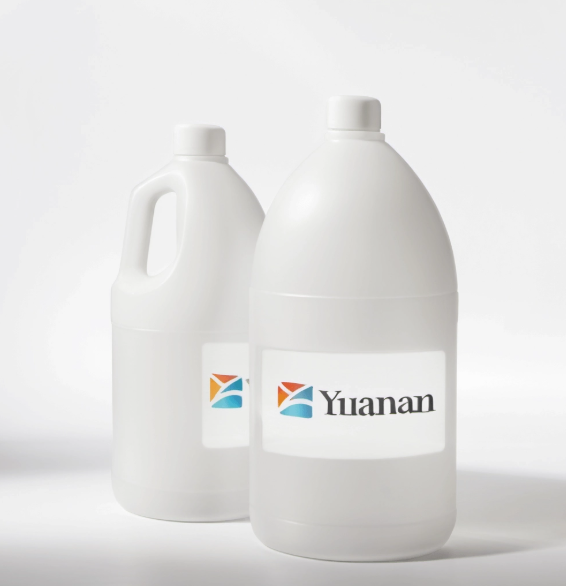
In wafer manufacturing, precision is key. Did you know that the right cutting fluid can significantly improve your cutting process? Precision cutting fluid for wafers is essential for achieving smooth, clean cuts while protecting your tools and materials. In this guide, we'll cover the key factors in selecting, maintaining, and optimizing your cutting fluid. You'll learn how to ensure high-quality results and extend the life of your equipment.
Precision cutting fluid for wafers is a specially formulated liquid used in the wafer sectioning process. It serves multiple purposes: lubricating the cutting surface, cooling the cutting tool, and preventing oxidation or contamination. Without the proper fluid, there could be excessive friction, overheating, and premature wear of both tools and materials.
Wafer cutting is a delicate process, especially when working with materials like silicon or other semiconductors. The thin, brittle nature of these materials requires a controlled environment. A suitable cutting fluid ensures the integrity of the wafer is preserved, avoiding cracks or thermal damage that can lead to product failure.
Cutting additives are essential for enhancing the performance of the cutting fluid. They help reduce friction, prevent rusting, and improve cooling efficiency. Additives also prevent material build-up on the tool, enhancing cutting efficiency and extending tool life.
Water is a key component in many cutting fluids. The quality of water used in mixing determines the overall performance of the fluid. Hard water, with high calcium and magnesium levels, can cause scaling and reduce the fluid's effectiveness. Ideal water should have a pH close to neutral (7.0) and minimal hardness.
Microbial contamination in cutting fluids, often from bacteria or fungi, can significantly degrade the fluid's performance. A foul odor or visible biofilm on top of the fluid indicates the presence of microbial growth. This contamination can also increase the risk of corrosion and result in foam formation, reducing cooling and lubrication capabilities.
Cooli Additive is designed for both sectioning and grinding operations. It provides excellent cooling and lubrication, making it a versatile and cost-effective solution. This additive is ideal for wafer sectioning where a balance between cooling and tool longevity is crucial.
For high-throughput operations, Cooli Additive Plus is an advanced fluid that provides enhanced cooling. It is optimized for faster cutting speeds and improved performance. However, it's important to note that it's not suitable for grinding operations, as its formulation is tailored specifically for high-speed sectioning.
When deciding between cutting fluids, it's essential to consider the volume of work. For high-volume operations, high-performance fluids like Cooli Additive Plus are ideal. They provide the cooling necessary to handle increased material removal rates without overheating. For standard cutting, more general-purpose fluids like Cooli Additive can still provide reliable results while being more cost-effective.
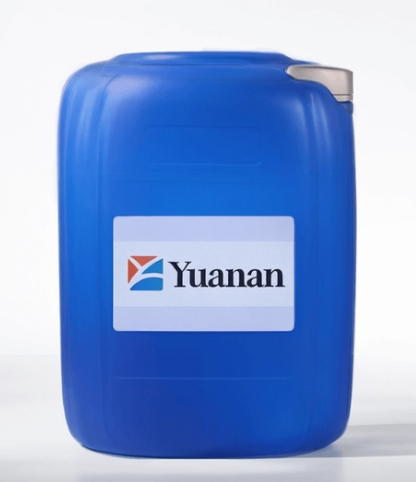
To maintain optimal fluid performance, it's crucial to follow the recommended mixing ratios. A fluid mixture that is too concentrated can cause excessive foam, while too dilute a mixture won’t offer adequate lubrication or cooling. Always check the manufacturer's instructions on the correct concentration for the additive.
Routine checks should be performed to ensure the cutting fluid is in top condition. The Brix value, which measures the fluid's concentration, can be easily checked using a refractometer. The recommended Brix value for most cutting fluids is between 3.0% and 6.0%. If the concentration deviates from this range, adjustments should be made immediately.
To make the most of your cutting fluid, keep the recirculation tank clean and free from contaminants. Additionally, always use high-quality water when mixing your cutting fluid. Regularly top up with demineralized water instead of tap water to avoid increasing hardness levels that may affect the fluid's performance.
Corrosion is a common issue when working with metal wafers and cutting fluids. To avoid this, maintaining the proper pH range is essential. The pH of the cutting fluid should be maintained between 8.5 and 10.5. Regular pH checks using strips or a pH meter are important to ensure the fluid remains in the optimal range for corrosion prevention.
Foam formation in cutting fluids is undesirable, as it can reduce cooling efficiency and cause potential overflow issues in the recirculation system. There are two types of foam: mechanically related and chemically related. Mechanically related foam is less stable and will dissipate naturally, while chemically related foam can persist and cause ongoing issues. A simple foam stability test can help differentiate between the two and determine the necessary corrective actions.
Bacterial growth is a significant concern when it comes to cutting fluid longevity. Bacteria consume the fluid components, leading to the formation of biofilms, which can cause blockages and further degradation. A reduction in pH, below 8.5, is often an indicator of microbial growth. If microbial contamination is detected, it’s advisable to replace the cutting fluid and treat the system with an antimicrobial agent to prevent recurrence.
Not all materials require the same cutting fluid. When cutting harder materials such as ceramics or superalloys, a more specialized fluid may be necessary to manage the increased heat and pressure. On the other hand, softer materials like silicon wafers require a less aggressive fluid to prevent surface damage. Always consider the material properties before selecting the cutting fluid.
While high-performance cutting fluids like Cooli Additive Plus offer excellent results, they come at a higher cost. For operations with a tight budget, using a fluid like Cooli Additive for standard cutting processes may offer a better balance between cost and performance. The key is to assess the volume of work and cutting requirements before choosing a fluid.
A well-maintained fluid system is crucial for optimal cutting performance. Regular cleaning of the recirculation system prevents contamination buildup and extends the life of both the cutting fluid and the machine. Implementing a fluid recycling system can further reduce costs and improve efficiency by minimizing waste.
Proper monitoring of fluid concentration is critical to avoid fluid-related problems such as corrosion, foam, and bacterial growth. Using digital refractometers, operators can easily check the concentration and adjust it as necessary to maintain the fluid within the recommended range.
Before selecting a cutting fluid, it's important to ensure it is compatible with the machinery used in the wafer cutting process. Using a fluid that's too aggressive or too mild can result in poor performance or even damage to the equipment. Always consult the equipment manufacturer's recommendations for fluid compatibility.
The right Precision Cutting Fluid for Wafers can make a significant difference in wafer cutting processes, ensuring smooth operations and high-quality outcomes. By choosing the right type of fluid, mixing it correctly, and maintaining the system, manufacturers can improve performance, extend tool life, and reduce operational costs. Regular maintenance and monitoring of fluid conditions are essential practices for keeping cutting operations running efficiently. Yuanan offers high-quality cutting fluids that enhance performance, reduce wear, and improve tool life, providing excellent value to manufacturers.
A: Precision cutting fluid for wafers is a specialized liquid designed to cool, lubricate, and reduce friction during the wafer cutting process. It ensures smooth cuts, extends tool life, and prevents material damage.
A: Choosing the right cutting fluid for wafers is essential for optimizing performance, preventing corrosion, and enhancing tool longevity. It also improves the quality of the cut and reduces operational costs.
A: Regular monitoring of fluid concentration and pH, cleaning the recirculation tank, and using high-quality water are essential practices for maintaining cutting fluid efficiency.


