


WhatsApp:
+86-18123969340
+86-13691824013

Views: 0 Author: Site Editor Publish Time: 2026-06-26 Origin: Site


You can pick the best Cutting Fluid by thinking about your machining material, the type of operation, and the fluid’s features. Find fluids that move heat well, are not thick, and do not cause rust. Pick ones that are safe to use and do not change when touching your workpiece. Yuanan gives good choices for careful machining, like with sapphire and quartz. Think about safety and how easy it is to take care of the fluid when you decide.
Find out what machining material you have before you pick a cutting fluid. Every material, like steel or aluminum, needs a certain fluid to work best.
Think about the machining operation you will do. Different jobs, like drilling or milling, need fluids that cool and lubricate in the right way.
Pick cutting fluids by looking at their features. Oil-based fluids are good for lubrication. Water-based fluids are better for cooling. Synthetic fluids give both cooling and lubrication.
Take care of your cutting fluids often so they keep working well. Look for contamination and change them when needed. This helps stop tool damage and bad finishes.
Remember safety and the environment when you choose cutting fluids. Pick eco-friendly fluids and follow rules for disposal to keep yourself and the earth safe.
Start by checking what material you will machine. Each material reacts differently to cutting fluids. Steel needs a fluid that stops rust and gives good lubrication. Aluminum needs a fluid that keeps it from getting stains and helps remove heat. Sapphire and quartz need special fluids that do not cause corrosion or damage the surface. Yuanan makes fluids for these special materials. This makes it easier to pick the right fluid for hard jobs.
Tip: Always look at the material before you choose a fluid. The right fluid helps your tool last longer and makes the surface smoother.
Here is a quick reference table for recommended fluids:
Material | Recommended Cutting Fluid Link |
|---|---|
Quartz | Quartz Glass Cutting Fluid |
Sapphire | Sapphire Cutting Fluid |
Aluminum | Aluminum Alloy Cutting Fluid |
Steel | Stainless Steel Cutting Fluid |
Titanium | Titanium Cutting Fluid |
Carbide | Carbide Cutting Fluid |
Think about the machining process you will use. Turning, milling, drilling, and wafer processing all need different fluids. Fast jobs need fluids that cool well. Precision jobs need fluids that give great lubrication. Yuanan’s fluids work well for diamond wire saws and closed-loop systems. These fluids help you get the best results.
Type of machining operation
Tooling complexity
Cutting speed
Production volume
Desired surface finish
There are three main things to think about when picking a fluid:
Workpiece material: Pick a fluid that matches the material.
Machining operation: Choose a fluid that fits the process.
Machine type: Make sure the fluid works with your machine.
Oil-based fluids give great lubrication for careful work. Water-based fluids are good for cooling in fast jobs. Synthetic fluids do both, so you have more choices. Yuanan knows a lot about high-precision fluids. This helps you pick the best fluid for special jobs like sapphire and quartz.
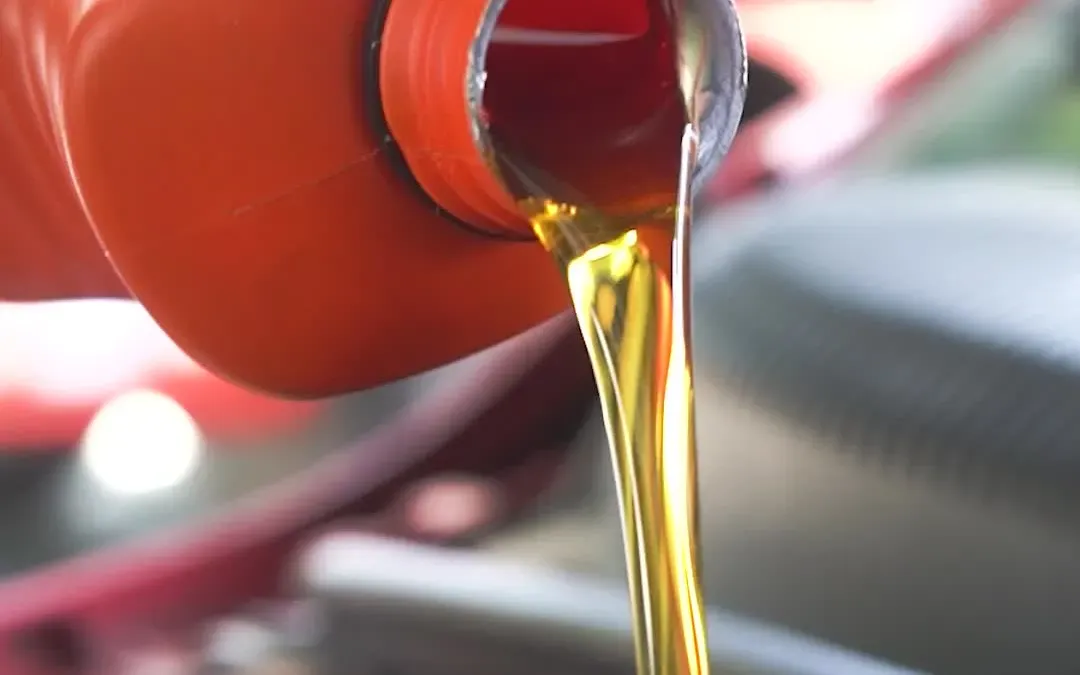
There are many kinds of cutting fluids you can pick. Each kind works best for certain jobs. Knowing about these fluids helps you choose the right one.
Cutting oil is a common fluid for many jobs. You use it when you need strong lubrication and tool protection. Cutting oil is good for drilling, tapping, and tough cutting. It lowers friction and wear, so tools last longer. Cutting oil also stops rust on metal parts. There are straight oils, which are only oil, and soluble oils, which mix with water. The best cutting oil depends on your material and job.
Note: Cutting oil gives great lubrication but does not cool as well as water-based fluids.
Cutting emulsion is a mix of oil and water. You use it when you need both cooling and lubrication. Cutting emulsion forms when you blend mineral oil, water, and emulsifiers. This mix removes heat and keeps surfaces smooth. Cutting emulsion is used in turning and grinding. It cools the workpiece and lowers friction. Soluble oils are another kind of cutting emulsion. They give some cooling and very good lubrication.
Type of Fluid | Cooling Effectiveness | Lubrication Effectiveness |
|---|---|---|
Water-Soluble Coolants | Excellent | Moderate |
Soluble Oils | Moderate | Superior |
Synthetic cutting fluids are made from chemicals, not oil. You use them for fast cutting and careful work. These fluids fight bacteria and keep machines clean. Semi-synthetic fluids mix features of synthetic and emulsion. They balance cooling, lubrication, and cleanliness. Yuanan has synthetic and semi-synthetic fluids for hard jobs, like sapphire and quartz.
Type | Advantages | Disadvantages |
|---|---|---|
Synthetic Fluids | High cooling, great lubricity, stops rust, easy to care for. | Needs checking and care for best results. |
Semi-Synthetic Fluids | Balanced lubrication and cooling, good for many jobs. | Needs regular checks for right mix. |
You can look at this table to compare the main types:
Fluid Type | Lubrication | Cooling | Corrosion Resistance | Maintenance |
|---|---|---|---|---|
Cutting Oil | Excellent | Low | High | Easy |
Cutting Emulsion | Good | High | Moderate | Moderate |
Synthetic Fluid | Good | Excellent | High | Easy |
Semi-Synthetic Fluid | Good | Good | High | Moderate |
Tip: Always pick a cutting fluid that matches your material and job. This helps you get a smooth surface and makes your tools last longer.
You must pick the right cutting fluid type for your material. Every material needs a special type for best results. Steel works best with a fluid that cools and lubricates well. Stainless steel needs a fluid that stops rust and cools. Aluminum needs a fluid that cools fast and does not stain. Sapphire and quartz need a fluid that will not corrode or harm the surface. Yuanan has cutting fluid types for these materials. This helps you get smooth and precise finishes.
Tip: Always look at your material before picking a cutting fluid type. The right type makes tools last longer and gives a better finish.
Here is a list that shows how cutting fluid properties change machining results for each material:
Material: Aluminum needs fluids that cool very well. Stainless steel needs fluids that both cool and lubricate.
Operation: Drilling needs a fluid that goes deep. Turning needs a fluid that spreads out well.
Machining conditions: Speed, feed, and cut depth make heat. You need a fluid that controls heat for better results.
You should pick the cutting fluid type for your machining job. Turning, milling, drilling, and wafer processing all need different types. Turning uses a fluid that spreads and lubricates. Milling needs a fluid that cools well at high speeds. Drilling needs a fluid that goes deep and cools the tool. Wafer processing uses a water-miscible fluid that keeps surfaces safe and clean.
Turning: Use a cutting fluid type that lubricates well.
Milling: Pick a type that cools well for fast jobs.
Drilling: Choose a type that goes deep and cools the tool.
Wafer processing: Use a water-miscible type for clean, precise work.
Note: Picking the right cutting fluid type for the job helps you work better and faster.
You need to know when to use water-soluble or water-insoluble cutting fluid types. Water-soluble types make stable mixes and give both cooling and lubrication. These types help tools last longer and lower friction. Water-insoluble types give some lubrication but less cooling. Use water-soluble types for fast and careful jobs. Water-insoluble types are good for slow or heavy jobs.
Here is a table that compares water-soluble and water-insoluble cutting fluid types:
Aspect | Water-Soluble Cutting Fluids | Water-Insoluble Cutting Fluids |
|---|---|---|
Emulsion Stability | High | Low |
Lubrication Properties | Excellent | Moderate |
Environmental Considerations | More eco-friendly | Less eco-friendly |
Tool Life Extension | Significant | Limited |
Friction Reduction | Effective | Less effective |
Water-soluble cutting fluid types give both cooling and lubrication. This mix helps tools last longer and makes cutting easier. You get better results in many jobs.
Tip: Use water-miscible cutting fluid types when you need both cooling and lubrication. Pick water-insoluble types when you only need lubrication.
You can choose the cutting fluid type by looking at your material, job, and needs. This way, you get better results, save time, and work more precisely.
You need to check your cutting fluid often to keep your machines running well. Good maintenance helps you avoid problems like rust, tool wear, and poor surface finish. Here are some things you should watch:
Check the cutting fluid for corrosion protection, stability, and clarity.
Test the viscosity to make sure it flows right.
Watch for signs of toxicity or flammability.
Look for any changes in smell or color.
Contamination can make your cutting fluid less effective. Dirt, chips, and bacteria can get into the fluid. This can cause tool wear and lower your machining accuracy. Microbial growth can also make the fluid smell bad and cause health problems. You should clean your tanks and change the cutting fluid when needed. Good waste management helps you follow rules and keeps your shop safe.
Cutting fluids can affect your health and the environment. Some fluids may be hazardous waste. You must follow local rules for disposal. Using recycling systems and coolant management tools can help you reduce waste and stay within the law. These steps protect both you and the planet.
You may face health risks if you do not handle cutting fluids safely. The table below shows some risks and how you can stay safe:
Health Risks | How to Stay Safe |
|---|---|
Skin, eye, nose, throat, lung irritation | Wear gloves, safety glasses, and masks. |
Dermatitis, acne, asthma | Use good ventilation and splash guards. |
Breathing problems | Keep fluid mist low and follow safety limits. |
Higher risk of heart or lung disease | Use safer cutting fluids and remove oil from the surface. |
Risk of cancer | Clean fluids often and use skimmers to stop bacteria from growing. |
When you pick a cutting fluid, you should think about more than just the price. High-quality fluids may cost more at first, but they can save you money over time. You use less fluid, your machines last longer, and your parts look better. Here is a quick look at price ranges:
Brand Type | Price Range (per liter) | Description |
|---|---|---|
Premium Brands | $20–$30+ | Best for top performance and long tool life. |
Mid-Range | $10–$20 | Good balance of price and quality. |
Budget Brands | $2.50–$9 | Basic jobs and lower cost. |
You also need strong support from your supplier. Yuanan gives you lab reports, on-site testing, and help with choosing the right cutting fluid. This support helps you meet your goals for surface finish, tool life, and production speed. With the right supplier, you can solve problems quickly and keep your shop running smoothly.
You can use this checklist to help you choose the best cutting fluid for your job. Review each factor before you make your final decision.
Factor | What to Check For |
|---|---|
Machining Process | Identify your operation. High-speed jobs work best with synthetic fluids. |
Material Type | Know your workpiece. Stainless steel needs fluids with special additives to stop tool welding. |
Cutting Speed | Check your speed. Fast cutting needs fluids that cool well and lower heat. |
Tool Type | Look at your tools. Through-tool systems need fluids that flow easily and do not clog. |
Environmental Considerations | Choose fluids that are safe, low-odor, and biodegradable when possible. |
Operational Longevity | Pick fluids that last longer and need less changing. This saves you time and money. |
Tip: Always match your cutting fluid to both your material and your machining process. This helps you get better results and keeps your tools in good shape.
You can also follow these steps for a quick check:
Read your machine manual for fluid recommendations.
Test a small amount of fluid before full use.
Watch for changes in color, smell, or performance.
Ask your supplier for technical support if you have questions.
️ Use this checklist every time you start a new job. You will make better choices and keep your shop running smoothly.
You can choose the best cutting fluid by following a few clear steps. First, look at your material and machining process. Next, check the fluid’s cooling and lubrication abilities. Watch for problems like rust or foam. Think about factors such as safety, cost, and the environment. Trusted suppliers like Yuanan can help you make the right choice. Use the checklist to guide you each time you start a new job.
Cutting fluids help you cool and lubricate your tools during machining. You use them to reduce heat, prevent rust, and make your tools last longer. Cutting fluids also improve the finish on your workpiece.
You should look at your material and the machining process. Cutting fluids work best when you match them to your needs. Always check cutting fluid characteristics like cooling, lubrication, and rust prevention before you decide.
Yes, you can reuse cutting fluids if you keep them clean. You should filter out chips and dirt. Regular checks help you know when to replace or refresh your cutting fluids.
If you pick the wrong cutting fluids, you may see tool wear, rust, or poor surface finish. Your machine can also get clogged. Always use cutting fluids that fit your job.
You should keep cutting fluids in sealed containers. Store them in a cool, dry place. Make sure you label each container. This helps you avoid spills and keeps your cutting fluids fresh.


