


WhatsApp:
+86-18123969340
+86-13691824013

Views: 0 Author: Site Editor Publish Time: 2026-02-18 Origin: Site


In wafer processing, the choice of cutting fluid is critical to the overall success of the operation. With the increasing demand for high-precision manufacturing in the semiconductor industry, it is essential to use cutting fluids that can ensure both the protection of delicate materials and the longevity of cutting equipment. Non-corrosive precision cutting fluid for wafers has become the standard for many manufacturers, as it not only improves cutting precision but also enhances the overall production process.
This article will explore the factors that manufacturers should consider when choosing the best non-corrosive cutting fluid for wafer processing. We’ll cover key aspects such as chemical composition, lubrication efficiency, and environmental impact, and provide practical guidance for selecting the right cutting fluid for your needs.
When selecting a non-corrosive precision cutting fluid for wafers, the chemical composition is one of the most important factors to consider. Wafer materials, particularly those used in semiconductor manufacturing, are often delicate and susceptible to corrosion. Therefore, the fluid used must be compatible with these materials, providing optimal protection while also being effective at cooling and lubricating.
Key considerations include:
Non-corrosive ingredients: Ensure the fluid contains ingredients that will not chemically react with the wafer surface, which could result in oxidation or surface damage.
Compatibility with wafer materials: The fluid should be suitable for various types of wafers such as silicon, ceramic, and other sensitive materials often used in semiconductor applications.
By carefully selecting a fluid with the right chemical composition, manufacturers can prevent damage to the wafer surface, maintain cutting precision, and extend the life of their equipment.
Another crucial factor is the fluid’s ability to provide both lubrication and cooling. Effective lubrication reduces friction between the cutting tool and the wafer, which not only prevents excessive heat buildup but also minimizes tool wear. Cooling is equally important, as it prevents overheating during the cutting process, ensuring that the tools remain effective and do not suffer from thermal damage.
The ideal non-corrosive cutting fluid should:
Provide excellent lubrication to ensure smooth cutting, which reduces wear and tear on cutting tools.
Deliver optimal cooling to maintain a steady temperature throughout the cutting process, preventing the material from warping due to heat.
The combination of proper lubrication and cooling allows for smoother operations and improves the overall precision of the wafer cutting process.
Surface protection is a key benefit of non-corrosive cutting fluids. Wafer materials are particularly sensitive to surface defects, which can significantly impact the final product’s performance. Non-corrosive cutting fluids prevent oxidation and contamination during the cutting process, ensuring that the wafer’s surface remains intact and free from damage.
Benefits include:
Oxidation prevention: Non-corrosive fluids protect the wafer surface from oxidation, which can degrade the material’s integrity.
Surface quality: With minimal surface interaction, these fluids ensure that no unwanted marks or particles remain on the wafer, improving the final product’s quality.
By ensuring that the wafer’s surface is free from defects, manufacturers can increase the yield of high-quality wafers suitable for use in electronics and semiconductor devices.
The two primary types of non-corrosive precision cutting fluids for wafers are water-based and oil-based fluids. Both types have their advantages, but the choice between them depends on the specific needs of the wafer cutting process.
Type of Fluid | Advantages | Considerations |
Water-Based | - Excellent cooling properties | - May require more frequent monitoring for contamination |
- Low environmental impact | - May not be as lubricating as oil-based fluids | |
Oil-Based | - Superior lubrication | - Can leave residues on the wafer if not properly managed |
- Longer-lasting protection | - Environmental impact may be higher |
Water-based fluids are often preferred for their cooling efficiency and environmentally friendly characteristics. However, they may not offer the same level of lubrication as oil-based fluids, which are typically better for preventing tool wear. Both types, when properly formulated for non-corrosive use, are effective in ensuring high-quality wafer cutting.
Synthetic cutting fluids are formulated entirely from chemical compounds and are designed to provide superior lubrication and cooling properties. They are typically more consistent in their performance and have a longer shelf life. Semi-synthetic fluids, on the other hand, are a blend of synthetic and mineral oils, providing a balance between performance and cost-effectiveness.
Key considerations:
Synthetic fluids: Offer higher stability, better cooling, and less evaporation, making them ideal for high-precision wafer processing.
Semi-synthetic fluids: Offer good performance while being more cost-effective, suitable for less demanding wafer cutting processes.
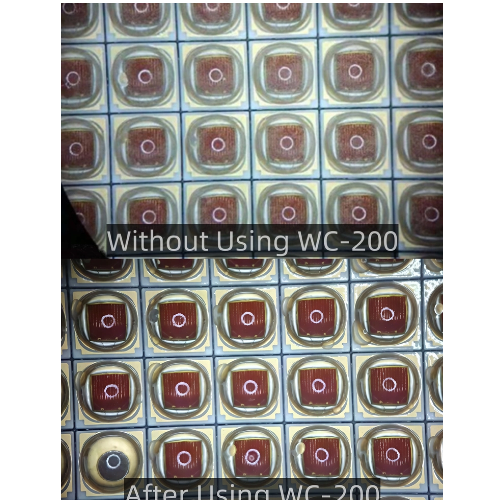
Viscosity plays a crucial role in ensuring proper fluid flow during the cutting process. If the fluid is too thick, it may not flow properly, leading to inadequate cooling or lubrication. Conversely, if it’s too thin, it may evaporate too quickly, leaving the wafer unprotected.
Ideal fluid properties include:
Moderate viscosity: Ensures the fluid flows smoothly, providing consistent lubrication without evaporating too quickly.
Stability under various conditions: The fluid should maintain its properties at different temperatures and during extended use to ensure consistent performance.
With increasing attention on sustainability in manufacturing, environmental impact has become a key consideration when choosing non-corrosive cutting fluids. Fluids that are biodegradable and low in toxicity help reduce the ecological footprint of wafer manufacturing.
Sustainable fluids offer:
Reduced waste: Biodegradable fluids break down naturally, minimizing the need for disposal of harmful waste.
Lower emissions: Non-toxic fluids emit fewer harmful gases during use, making them more eco-friendly.
By choosing environmentally responsible cutting fluids, manufacturers can meet regulatory standards and contribute to sustainable production practices.
Non-corrosive cutting fluids reduce the wear on cutting tools by providing superior lubrication. This reduction in friction leads to less tool degradation, meaning that cutting tools last longer and require less frequent replacement.
Long-term benefits include:
Lower maintenance costs: By reducing wear and tear on cutting tools, manufacturers can save on maintenance costs.
Improved tool life: Tools can maintain their cutting sharpness for longer, improving the efficiency of the production process.
The use of non-corrosive cutting fluids results in fewer defects in the final wafer products. The smoother cutting process, combined with superior surface protection, ensures that more wafers meet the required quality standards.
Key outcomes:
Higher-quality wafers: Less surface damage means fewer defects and improved functionality of the wafers.
Increased production yield: More wafers are produced with fewer errors, improving overall manufacturing efficiency.
Choosing the best non-corrosive precision cutting fluid for wafers requires assessing your specific processing needs. Factors such as the material type, cutting method, and equipment compatibility all influence the type of fluid that will be most effective.
Considerations include:
Material type: Different wafer materials, such as silicon or ceramic, may require different fluid compositions.
Cutting method: Whether you are performing high-speed cutting or precision slicing can influence the choice of fluid.
Working with an experienced manufacturer is crucial when selecting a cutting fluid. A reliable manufacturer, such as Shenzhen Yuanan Technology Co., Ltd., can provide tailored solutions that meet the unique demands of wafer processing.
An experienced manufacturer will offer products specifically designed for high-precision wafer cutting, ensuring that the fluid is effective, environmentally friendly, and suitable for your equipment.
Choosing the right non-corrosive precision cutting fluid for wafers is essential for ensuring high-quality wafer production. By considering factors such as chemical composition, lubrication efficiency, and environmental impact, manufacturers can select the fluid that best meets their needs, ensuring smooth and efficient operations.
For more information about the best cutting fluids for your wafer processing needs, we invite you to contact Shenzhen Yuanan Technology Co., Ltd.. We offer cutting-edge solutions designed to enhance precision, protect your equipment, and improve your production efficiency.
Q1: What is the primary role of non-corrosive cutting fluid in wafer processing?
Non-corrosive cutting fluids are designed to prevent oxidation and surface damage, ensuring clean, precise cuts and maintaining the integrity of the wafer during the cutting process.
Q2: How do I determine which type of non-corrosive cutting fluid is best for my wafer processing?
The choice depends on factors such as the wafer material, the cutting method, and the specific needs of your equipment. Non-corrosive fluids designed for wafer processing provide the best results.
Q3: Can non-corrosive cutting fluids be used in all wafer processing applications?
Yes, non-corrosive cutting fluids are versatile and can be used in various wafer cutting applications, ensuring high-quality results across different materials.
Q4: How does non-corrosive cutting fluid contribute to environmental sustainability?
Many non-corrosive cutting fluids are biodegradable and eco-friendly, reducing the environmental impact by minimizing harmful waste and emissions during production.


